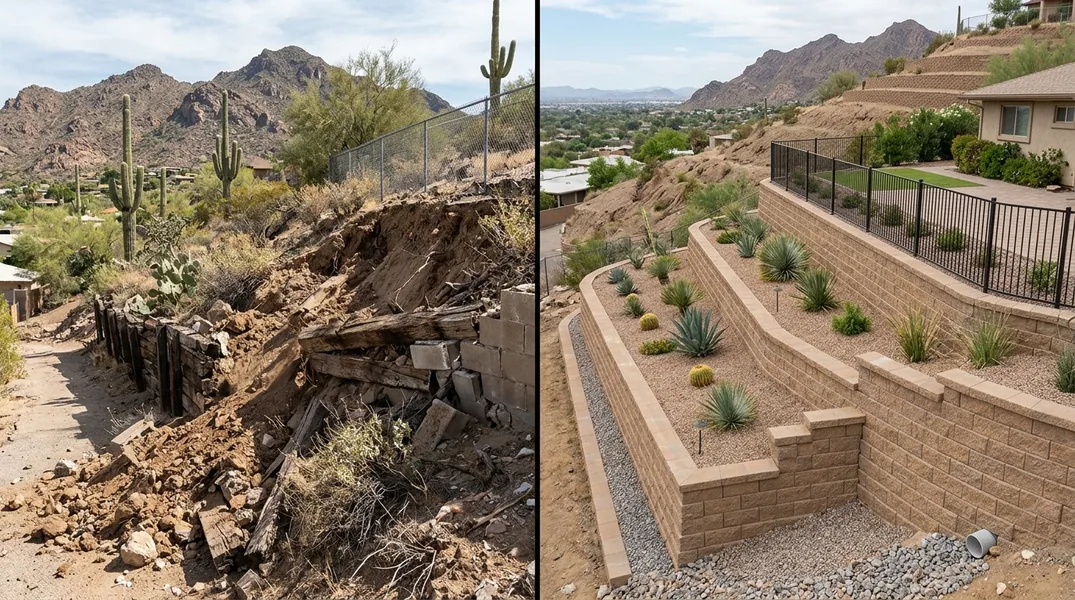
Do You Need a Permit for a Retaining Wall in Phoenix?
One of the most common questions homeowners ask when planning a retaining wall project is whether they need a permit. The short answer is: it depends on several factors specific to your property and the wall's design. In Phoenix, like most Arizona municipalities, permit requirements are determined by the height of the wall, its structural design, and whether it will support additional load or retain soil on a slope.
The City of Phoenix Building and Safety Department enforces strict codes to ensure that retaining walls are safe, stable, and won't pose a risk to neighboring properties or public safety. A permit isn't just bureaucratic red tape; it's a safeguard that ensures your project meets engineering standards and won't create liability issues down the road. Understanding these requirements upfront can save you time, money, and potential legal headaches.
Retaining Wall Height Limit: When a Permit Becomes Mandatory
The most critical factor in determining whether you need a permit is the height of your retaining wall. In Phoenix, most residential retaining walls under 4 feet tall may not require a permit, though this can vary depending on your specific neighborhood and local codes. However, a 4 foot retaining wall permit is often required if the wall will retain soil on a slope or if it's part of a larger construction project. The exact threshold can differ based on whether the wall is freestanding or retaining earth, so it's essential to verify with your local building department before you begin.
Walls taller than 4 feet almost always require a permit and typically need to be designed by a licensed engineer. The higher the wall, the more complex the engineering requirements become. Walls exceeding 6 feet in height face significantly stricter regulations, including requirements for proper drainage, reinforcement, and geotechnical analysis. If you're unsure about your specific situation, contacting the City of Phoenix Building and Safety Department directly or consulting with a professional Retaining Wall Installation company can clarify your obligations before you invest time and money into your project.
Understanding Phoenix Building Code Requirements for Retaining Walls
Phoenix follows the International Building Code (IBC) with local amendments, which sets standards for retaining wall construction. These codes address critical elements like soil bearing capacity, drainage, reinforcement materials, and structural stability. The specific requirements depend on factors beyond just height, including the type of soil on your property, the slope angle, whether the wall will support a structure or additional weight, and proximity to property lines or utilities. This is why a simple measurement of height alone isn't always enough to determine permit necessity.
When you're planning Retaining Wall Installation in Phoenix, you'll need to consider soil conditions, drainage solutions, and potential settlement issues. The Arizona desert's unique soil composition, often containing caliche or unstable layers, can affect how a retaining wall must be constructed. Professional contractors familiar with local conditions understand these nuances and can help you navigate permit requirements while ensuring your wall is built to last. If your project involves complex soil conditions or significant height, an engineer's stamp on the design will likely be required before the city will issue a permit.
Types of Retaining Walls and Their Permit Requirements
Different styles of retaining walls have different permit requirements. Concrete Retaining Walls are popular in Phoenix and typically require permits when they exceed 4 feet or retain significant soil loads. Segmental block walls, timber walls, and natural stone walls each have their own code considerations. A small decorative wall that simply borders a planter bed may not require a permit, while a wall that holds back a slope or supports additional structures almost certainly will. The distinction between a decorative landscape feature and a structural retaining wall is important, and building officials use specific criteria to make this determination.
Understanding the difference between these wall types helps you anticipate permit requirements. A freestanding wall that doesn't retain soil may have fewer restrictions than one that's actively holding back earth. However, even decorative walls must sometimes comply with setback requirements from property lines and easements. When in doubt, it's better to assume a permit is required and contact your local building department for clarification. Many homeowners are surprised to learn that a project they thought was simple actually requires engineering review and formal approval.
The Permit Process: What to Expect and How to Get Started
If your retaining wall project requires a permit, the process typically involves submitting detailed plans to the City of Phoenix Building and Safety Department. These plans should include the wall's height, width, depth, materials, drainage design, and how it will be constructed. For walls that require engineering, you'll need a sealed design from a licensed Professional Engineer. The application fee varies based on the project scope, and processing time can range from a few days to several weeks depending on whether revisions are needed.
The best approach is to work with an experienced contractor who understands the permitting process and can help prepare accurate submissions. At Phoenix Retaining Wall, we handle the complexities of permit requirements and work closely with local building officials to ensure your project gets approved efficiently. Rather than navigating this alone, having professionals manage the paperwork and inspections saves time and reduces the risk of costly mistakes. Once your permit is approved, inspections will be required at various stages of construction to verify that the work meets approved plans and local codes. Contact us at (480) 494-4792 or visit our website to discuss your project and get a free estimate that includes permit planning.
Common Mistakes Homeowners Make With Retaining Wall Permits
One of the biggest mistakes homeowners make is assuming that because their neighbor's wall didn't need a permit, theirs won't either. Every property is different, with unique soil conditions, slopes, and local code interpretations. Another common error is starting construction before obtaining a permit, which can result in fines, orders to demolish the wall, or being forced to rebuild it to meet code. The costs of correcting unpermitted work far exceed the cost of getting it right the first time.
Additionally, some homeowners underestimate the importance of proper drainage in retaining wall design. A wall that looks fine initially but lacks adequate drainage can fail within a few years as water pressure builds behind it. Permit requirements often mandate specific drainage solutions precisely because improper drainage is a leading cause of retaining wall failure. By working with licensed professionals and obtaining proper permits, you ensure your wall will be safe, compliant, and durable. If you're considering a retaining wall project in Phoenix or nearby areas like Scottsdale, reach out to Phoenix Retaining Wall to discuss your specific situation and avoid these costly mistakes.
Looking for a professional retaining wall contractor in Phoenix? Phoenix Retaining Wall responds fast for all your retaining wall needs.
Get a Free QuoteOur services: Retaining Wall Installation · Retaining Wall Repair · Retaining Wall Replacement